
Lesson 1: What Is Cold-Press Soap and How It Works
Back to: Cold-Press Soap-Making
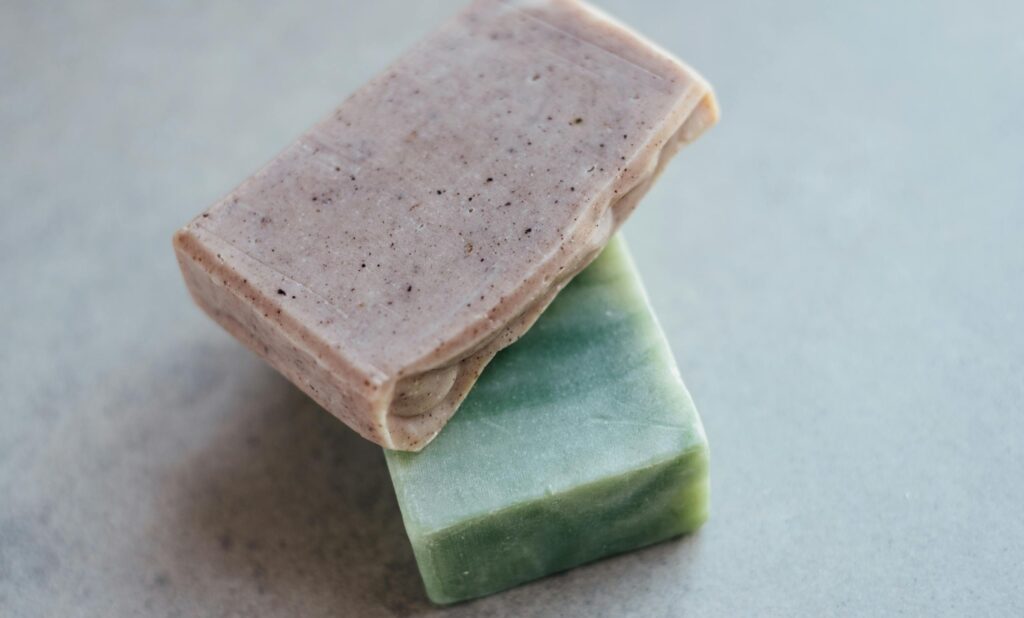
🌿 Introduction to Cold-Press Soap-Making
Cold-press soap-making, also called cold process soap-making, is one of the most natural and time-honored ways to create soap from scratch. It involves combining animal and plant-based oils with a special substance called lye (sodium hydroxide) and water to trigger a chemical reaction known as saponification. This process transforms the mixture into soap without the need for external heat.
The cold-press method has become increasingly popular in Kenya and across Africa, especially among individuals who want to create natural, chemical-free skincare products either for personal use or as a small business.
Unlike industrial soap-making methods, which often involve harsh detergents or artificial additives, cold-press soap allows you to control every ingredient that goes into your final bar. This means you can make safe, gentle, and nourishing soaps using ingredients that are locally available and beneficial for your skin.
🧪 How Cold-Press Soap Works: The Science Made Simple
At the heart of cold-press soap-making is a natural chemical reaction called saponification. Here’s what happens:
- Oils or fats (such as coconut oil, palm oil, avocado oil or tallow – from beef) are combined with
- Lye (sodium hydroxide) and
- Water.
When these three ingredients are mixed in the correct proportions, they react to form soap and glycerin.
- Soap is the cleansing agent that helps remove dirt and oils from the skin.
- Glycerin is a natural moisturizer that is often removed in commercial soaps but is retained in handmade soap, making cold-press soap especially good for people with dry or sensitive skin.
This mixture is then poured into molds and allowed to set and harden over several hours. However, the soap is not ready to use immediately. It must go through a curing process, which typically lasts 4 to 6 weeks. During this time, excess moisture evaporates, the soap becomes firmer, and the pH levels stabilize, resulting in a bar that is milder and longer-lasting.
🧴 Basic Ingredients in Cold-Press Soap
Here are the three essential ingredients used in every cold-press soap recipe:
- Oils or Butters – These form the base of your soap and determine qualities like hardness, lather, and moisture. Common examples found locally include:
- Coconut oil – adds cleansing and bubbles
- Olive oil – gentle and moisturizing
- Palm oil or palm kernel oil – adds hardness
- Avocado oil, shea butter, or moringa oil – known for skin nourishment
- Lye (Sodium Hydroxide) – This is the agent that turns oils into soap. While it sounds dangerous, when used correctly, lye completely reacts with oils and is no longer present in the final product.
- Water – Used to dissolve the lye before mixing it with oils. The water eventually evaporates during the curing process.
Optional but popular additions:
- Essential oils (like tea tree, lemongrass, eucalyptus) for fragrance
- Natural colorants (like turmeric, charcoal, or clays)
- Herbs and botanicals (like dried rosemary, neem leaves, or hibiscus)
🔍 Why Choose Cold-Press Over Other Methods?
Cold-press soap-making offers unique advantages, especially for artisans and small business owners:
- Complete Control: You choose every ingredient — no factory fillers or mystery chemicals.
- Natural Quality: Because there’s no external heating, the oils retain their beneficial nutrients.
- Customizable: You can tailor your recipes for different skin types, scents, or even customer preferences.
- Eco-Friendly: Most ingredients are biodegradable and sustainably sourced, making your soap kinder to the environment.
This method differs from others like melt-and-pour, where pre-made soap bases are melted, fragranced, and re-molded. While melt-and-pour is simpler, cold-press gives you deeper creativity, better quality, and higher profit margins which are essential for a serious soap-making business.
🌍 Real-Life Example from Kenya
In towns like Eldoret, Kisumu, and Nairobi, small-scale soap makers are already embracing the cold-press method to create high-demand products. One popular example is moringa-infused soap, known for its antioxidant and anti-inflammatory properties. Others use neem oil for acne-prone skin, or avocado oil for deep moisturization.
These soaps are often sold at local markets, wellness shops, or online platforms like Instagram and Jumia. They are especially popular with customers looking for organic, skin-safe alternatives to commercial soaps.
By learning the cold-press method, you’re not just making soap, you’re creating a product that can support skin health, reduce plastic waste and even generate income for your household or community.
✅ Summary: What You’ve Learned in This Lesson
- Cold-press (cold process) is a traditional, all-natural soap-making method.
- It involves combining oils, lye, and water to trigger saponification — the chemical reaction that creates soap.
- This method preserves the nutrients in oils, making the soap better for your skin.
- Handmade cold-press soap is customizable, eco-friendly, and perfect for small business entrepreneurs.
- In Kenya, cold-press soap-making is already empowering many to create natural, high-quality skincare products from locally available resources.